
What Does Hydrostatic Head Actually Mean?
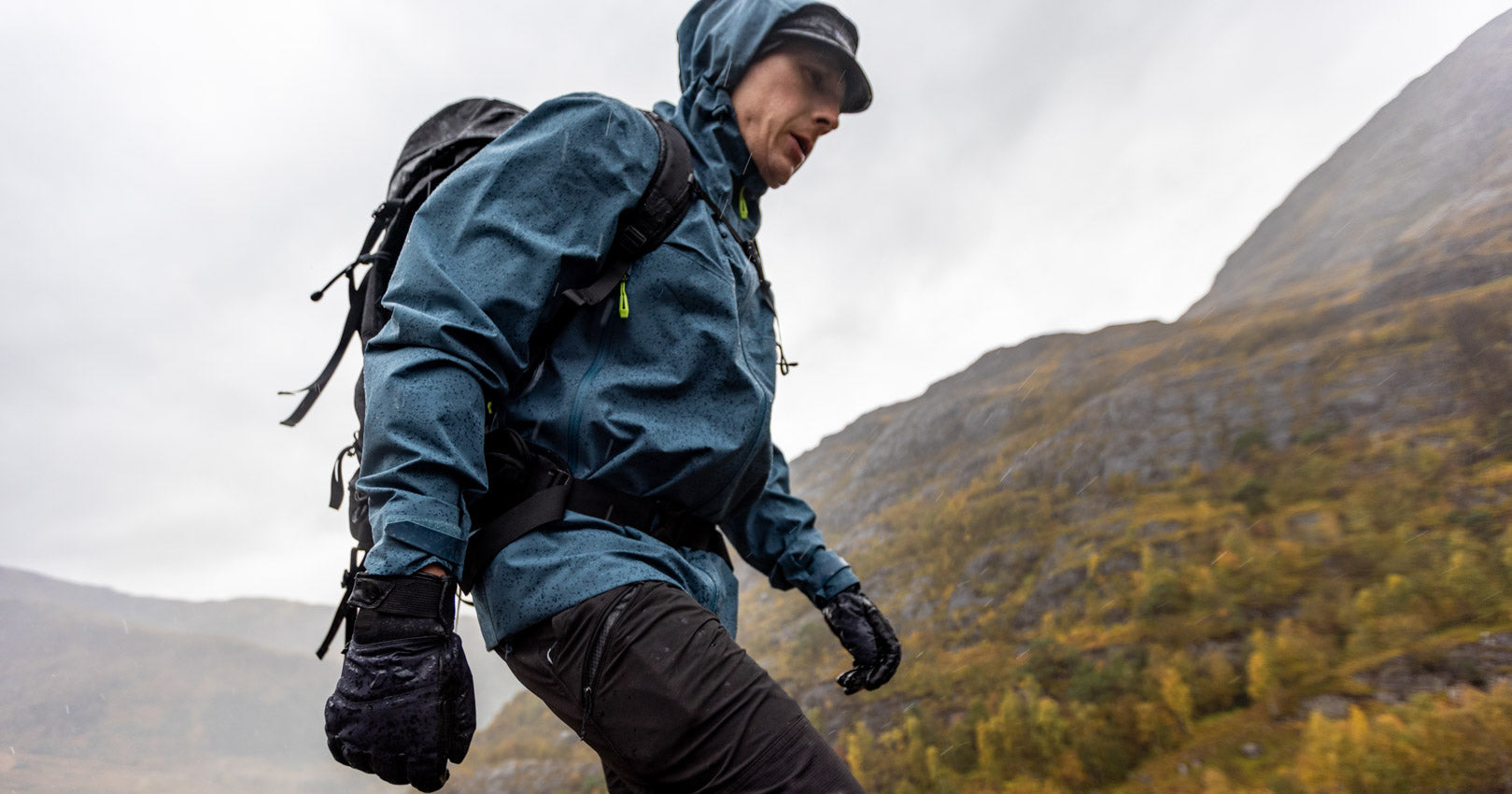
When you are choosing a tent, waterproof jacket or other outdoor equipment, you will often see a waterproof rating followed by the letters HH. A tent might have a rating of 2,000mm, 3,000mm or 4,000mm HH — but what do these numbers actually mean?
Hydrostatic head is a useful way to compare waterproof fabrics, but it is not the only factor that determines whether your camping kit will keep you dry.
In this guide, we explain how hydrostatic head is measured, what different ratings mean and what you should look for when choosing equipment for your next outdoor adventure.
What is hydrostatic head?
Hydrostatic head, often shortened to HH, is a measurement of how much water pressure a fabric can withstand before water begins to pass through it.
During testing, a sample of fabric used for our Highlander waterproof jackets or tents is placed beneath a vertical tube. The tube is gradually filled with water until the pressure causes moisture to penetrate the material.
The height of the water column at that point is recorded in millimetres.
For example, a fabric with a 3,000mm hydrostatic head can resist the pressure created by a 3,000mm — or three-metre — column of water before it begins to leak.
The higher the number, the greater the fabric’s resistance to water pressure.
Is a higher hydrostatic head always better?
A higher hydrostatic head generally means that the material can withstand greater water pressure. However, the highest possible number is not automatically the best choice for every trip.
Waterproof coatings can affect factors such as:
- Fabric weight
- Packability
- Flexibility
- Breathability
A lightweight summer camping tent does not necessarily require the same waterproof rating as a backpacking tent designed for prolonged rain and exposed hillsides.
The most suitable rating depends on where you are camping, how long you will be outside and the conditions you expect to encounter.
What do different hydrostatic head ratings mean?
There is no single rating that suits every tent or every adventure, but the following figures provide a useful general guide.
Around 1,000mm
A rating of approximately 1,000mm offers basic resistance to light rain and short showers.
Equipment at this level may be suitable for fair-weather shelters, garden use or occasional summer camping. However, it may not provide enough protection for prolonged rain or unpredictable conditions.
Around 2,000mm
A 2,000mm hydrostatic head provides a practical level of waterproofing for general camping.
It can be suitable for summer camps, festivals and sheltered campsites where severe weather is unlikely. Highlander’s Crusader Waterproof Hammock, for example, uses a tarp with a 2,000mm hydrostatic head for lightweight trekking and bushcraft trips.
Around 3,000mm
A 3,000mm rating offers dependable protection for typical UK camping conditions, including heavier or more prolonged rain.
This level is commonly found on tents designed for campsite holidays and weekend camping. Highlander’s Cypress family tents have a 3,000mm hydrostatic head, combining waterproof protection with spacious sleeping and living areas.
Around 4,000mm and above
A rating of 4,000mm or more is well suited to backpacking, wild camping and trips where persistent rain or exposed conditions are more likely.
The Highlander Falcon Bivi Tent and Refuge 1 Person Tent both feature a 4,000mm hydrostatic head alongside taped seams for additional waterproof protection.
The Respite 1 Person Tunnel Tent also combines a 4,000mm flysheet with a 5,000mm groundsheet, making it a dependable choice for regular use on wet ground and exposed hillsides.
Over 10,000mm and above
For waterproof jackets, a hydrostatic head of 10,000mm or more offers a strong level of protection for hiking, travelling and everyday outdoor use in wet conditions. Jackets at this level like the MUNRO V2 MOUNTAIN JACKET which has a hydrostatic head of 20,000mm are designed to withstand sustained rain and greater water pressure than lighter showerproof garments, making them a dependable choice for changeable weather and longer days outdoors. However, waterproof performance should always be considered alongside breathability, seam taping, hood design and ventilation, as these features help keep you comfortable as well as dry during active use.

Why do groundsheets often have a higher rating?
You may notice that a tent’s groundsheet sometimes has a higher hydrostatic head than its flysheet.
This is because a groundsheet experiences additional pressure from your body, sleeping mat and camping equipment. Kneeling or sitting on wet ground can force moisture against the fabric with considerably more pressure than rain falling onto the flysheet.
A higher groundsheet rating helps prevent water from being pushed through the floor when the ground beneath the tent is saturated.
A bathtub-style groundsheet can also improve protection by extending the waterproof floor material slightly up the walls of the tent.
Hydrostatic head is only part of the story
The HH rating tells you how waterproof the fabric is under laboratory conditions. It does not describe the performance of the complete tent.
Several other features are equally important.
Taped seams
Every stitched seam creates small holes in the fabric. Taped seams cover these areas with waterproof tape, reducing the chance of rain entering through the stitching.
When comparing tents, check whether the flysheet and other exposed seams have been taped.
Tent design
A well-designed flysheet should allow rain to run away from the tent rather than collect on the fabric.
The tent’s shape, door construction, porch design and ventilation points can all influence its performance in poor weather.
Pitching
Even a highly waterproof tent can struggle if it has not been pitched correctly.
The flysheet should be properly tensioned and should not press against the inner tent. Guy lines should be securely positioned, particularly when camping in wind or heavy rain.
Avoid pitching in dips, hollows or areas where water could collect beneath the tent.
Fabric condition
Waterproof performance can gradually decline as equipment becomes older and is exposed to dirt, sunlight and repeated use.
Cleaning and storing your tent correctly will help protect its waterproof coating. Over time, it may also be necessary to reproof the flysheet.
Waterproofing and condensation are not the same thing
Finding moisture inside your tent does not always mean that rain has passed through the fabric.
Condensation forms when warm, moisture-filled air inside the tent meets a cooler surface. Breathing, damp clothing and cooking can all increase the amount of moisture inside your shelter.
Good ventilation helps reduce condensation, even during wet weather. Keep ventilation panels open where possible and avoid allowing sleeping bags or other equipment to press against the inner walls.
A small amount of condensation can be normal, particularly in cold, still or humid conditions.
What hydrostatic head do you need for camping in Scotland?
Scottish weather can change quickly, so it is sensible to choose equipment that gives you a comfortable margin of protection.
For summer campsite trips in relatively sheltered areas, a tent with a rating of around 2,000mm to 3,000mm may provide suitable protection.
For regular backpacking, wild camping or travelling through exposed areas, a rating of approximately 3,000mm to 5,000mm provides greater reassurance during persistent rain and windy conditions.
Your choice should also take account of:
- The season
- Your destination
- The length of your trip
- The quality of the tent’s seams
- The groundsheet rating
- The expected wind exposure
- How much weight you are prepared to carry

How to choose the right waterproof tent
Before buying a tent, think about how and where you will use it.
A spacious family tent for a summer campsite has different requirements from a compact shelter carried through the Highlands. The family tent may prioritise living space and easy pitching, while a backpacking tent may need to balance waterproof protection with weight and pack size.
Ask yourself:
- Will I mainly camp in summer or throughout the year?
- Will I use established campsites or exposed wild-camping locations?
- How likely am I to encounter prolonged rain?
- Will I carry the tent over long distances?
- Do I need extra space for wet equipment?
- Does the tent have taped seams and a suitably waterproof groundsheet?
The correct hydrostatic head is not simply the highest number available. It is the rating that provides suitable protection for your intended conditions without adding unnecessary weight, bulk or expense.
The bottom line
Hydrostatic head measures how much water pressure a material can resist before moisture begins to penetrate it.
A higher number indicates greater waterproof resistance, but the rating should always be considered alongside the tent’s construction, taped seams, groundsheet, ventilation and overall design.
For occasional fair-weather camping, a moderate rating may be perfectly suitable. For wet-weather backpacking, wild camping and exposed Scottish conditions, a higher rating can provide valuable additional protection.
Understanding the numbers makes it easier to compare your options and choose a shelter that is suited to the way you travel.
Explore Highlander’s range of tents and shelters to find dependable protection for everything from relaxed campsite weekends to lightweight outdoor adventures.


