
Essentials to Take into the Hills
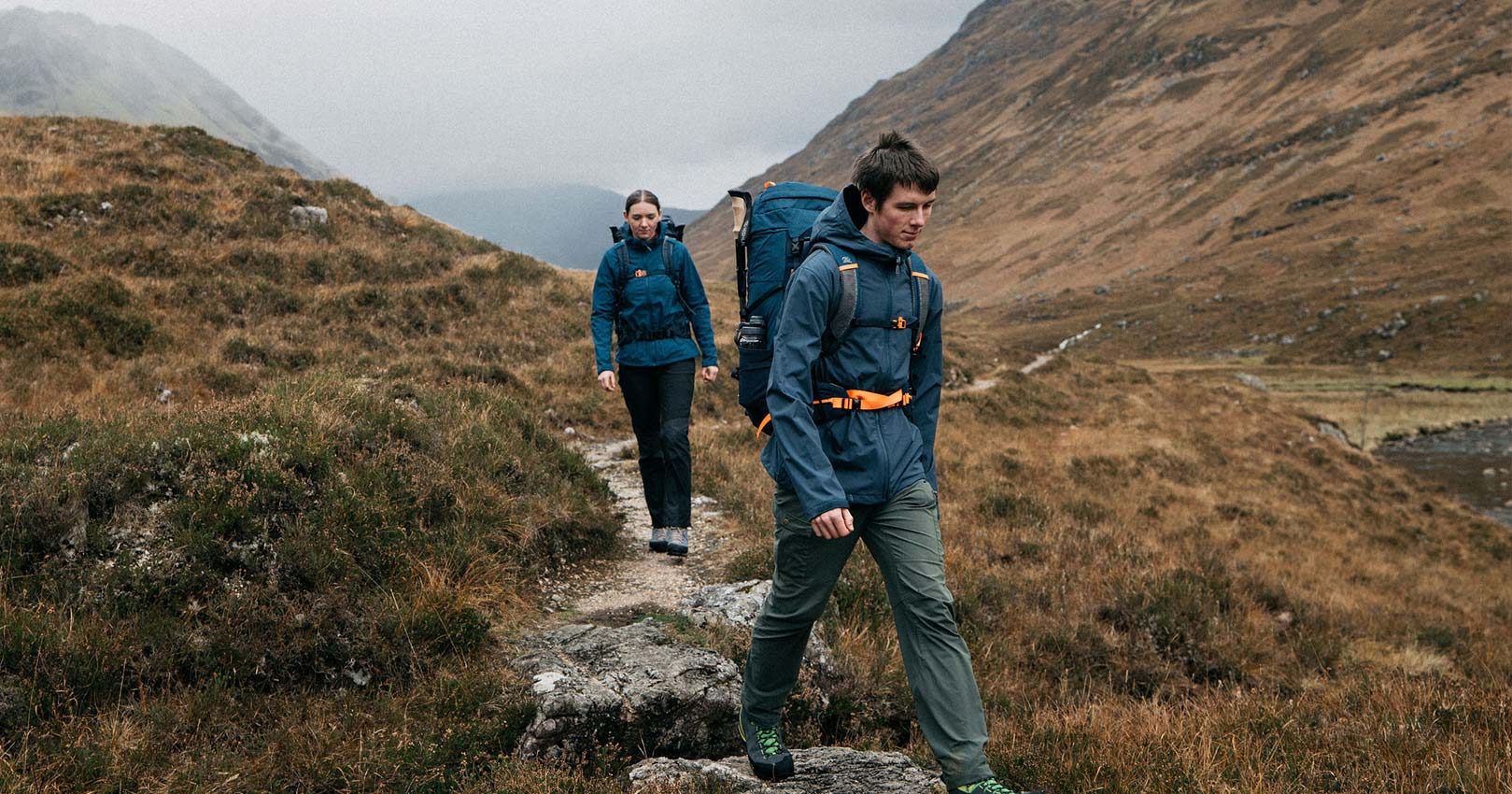
Heading into the hills is one of the best ways to escape the everyday and enjoy the outdoors - but preparation is essential. Changing weather, difficult terrain and unexpected delays can quickly turn a great day out into a challenging one. Before setting off, check the forecast, plan your route and make sure you’re carrying the essential kit listed below to stay safe, comfortable and ready for whatever the trail brings.
Check the weather forecast before you go - Conditions can change quickly, so pack for the route, terrain and worst likely weather. Remember the weather 3000ft up can be very different from in the valley.
Leave a note of your intended route and estimated time of return visible on your car dashboard.

‘Never leave without it kit’
-
Rucksack - around 25 – 40 litres [in the winter, you'll need a larger rucksack for more kit and warm gear]. The Highlander Ivar series or Kynetic are perfect for most peoples walking needs. In the winter, the Vulkan Mountain Rucksacks are perfect.
-
Waterproof rucksack liner or dry bags great to keep every dry. Highlander’s XTP Lite dry bags are superb.
-
Midge repellent and head net. Smidge combined with Highlander’s Mosquito and Midge Micro Head Net. Midges can ruin your day!
-
Take a tick-removal tool like the Smidge Untick Card.
-
Spare socks . There is nothing worse than cold, wet feet. Not only is this uncomfortable, it can be life threatening if you can no longer walk off the hills. (Socks often get wet often]
-
A waterproof jacket with a hood and waterproof over trousers just in case it get bad. Highlanders Stow and Go jacket is perfect for a ramble or the Munro V2 Mountain Jacket for the worst of weather.
-
Non-cotton base layer, insulating mid-layer and a spare warm layer in winter. These keep you cool in summer and warmer in winter! Bamboo 190 range and the Thermal range cover most bases.
-
Warm hat and gloves in winter like the Highlander Mountain Hat – suncream and cool hat summer.

-
Fully charged phone in a waterproof case such as the Highlander Waterproof PVC Pouch - offline mapping and a power bank are useful backups
-
Head torch with spare batteries
-
Enough water, food and extra emergency snacks take more than you need just in case!
-
Small first-aid kit and any personal medication – Highlander Individual first aid kit is ideal.
-
Whistle – Ultra light titanium for spring/summer/autumn on a neck lanyard and a plastic one for winter [doesn’t stick to the lips in extreme cold] Highlander Emergency Marine whistle is perfect.
-
Small metal/plastic reflective mirror – signals in daytime “further” than a whistle. The Highlander Signalling Mirror is perfect.
-
Emergency bivvy/survival bag or group shelter – Highlanders 1 person Storm Vault for personal shelter or 2-3 person if you go out with a partner regularly.
-
Watch or another reliable way to monitor time that doesn’t need charged.
-
Bag for taking all rubbish home!
-
In winter – Sunglasses are vital if the snow covers the ground on a sunny day! You can get snow blindness if exposed to long to the bright glare. In summer a big had does.
-
Gaiters [help keep you dry and tick free] Highlanders Classic walking gaiters do the job.
-
Trekking poles to aid progress with less stress on your joints – even if your fit you just go faster and can do more. Tiree Pro Carbon Fibre/Aluminum Walking Poles (SET OF 2) From Highlander do the job well.

-
Big day/weekend out – Loo roll and trowel – like the Highlander Arrow trowel.
-
Filter straw for when your liquids run out – lets you drink direct from a stream in safety.
Depending on conditions
-
For winter hills: winter boots, crampons and an ice axe only when appropriate—and only if you know how to use them; check snow and avalanche conditions

Before setting off
-
Check a dedicated mountain weather forecast on the day.
-
Choose a route that matches the group’s abilities and daylight available; plan alternatives and escape routes.
-
Leave your route and expected return time with a responsible person, then tell them when you are safely back. A good example of this can be found at https://www.mountaineering.scot
-
Turn back if weather, ground conditions, pace or anyone’s wellbeing deteriorates.
-
In a UK hill emergency, call 999 or 112 and ask for Police, then Mountain Rescue.


