
Are You Prepared?
The Essential Home Survival Kit for Natural Disasters, Power Cuts and Emergencies
When the unexpected happens, being prepared can make all the difference.
From severe storms and flooding to prolonged power cuts, disruption to water supplies and the potential consequences of conflict or national emergencies, everyday life can change surprisingly quickly.
Most of us take the essentials for granted. We expect clean water from the tap, electricity at the flick of a switch, heating when temperatures drop and supermarkets stocked with food.
But what happens when those services are suddenly unavailable?
Having the right emergency survival equipment at home isn't about expecting the worst. It's about being ready to protect yourself and your family if normal services are interrupted.
At Highlander Outdoor, we believe that practical preparation, reliable equipment and a little forward planning can make a significant difference.
In this guide, we explore the essential kit every household should consider, covering shelter, food, water, warmth, cooking and survival essentials.

Why Every Household Should Have a 72-Hour Emergency Kit
The UK Government encourages households to prepare for emergencies that could interrupt essential services for several days. This includes having access to food, drinking water, lighting, communication equipment and essential medication.
A sensible starting point is to prepare your household to be self-sufficient for at least 72 hours (three days), with additional supplies where practical.
Your first 72 hours: six essential priorities
• Shelter
• Water
• Food
• Warmth
• Cooking
• Safety
1. Shelter: Protection from the Elements
In most domestic emergencies, your home will provide the safest shelter. However, flooding, structural damage, fire or an official evacuation order may mean you need to leave quickly.
Having portable shelter equipment available can provide valuable protection from rain, wind and cold if you must relocate to a safe outdoor area.
Essential shelter equipment to consider:
A lightweight emergency shelter can be particularly useful when exposed to severe weather, while a waterproof groundsheet helps protect equipment from wet conditions.

2. Water: Your Most Important Survival Essential
Access to safe drinking water is one of the first things to consider when preparing for an emergency.
Flooding, burst pipes, infrastructure damage and prolonged power failures can disrupt domestic water supplies.
The UK Government's Prepare guidance cites a minimum of approximately 2.5–3 litres of drinking water per person per day for survival, with around 10 litres per person per day providing greater capacity for drinking, basic cooking and hygiene.
For a family of four, a three-day supply could look like this:
Minimum drinking water
36 litres
3 litres × 4 people × 3 daysMore comfortable provision
120 litres
10 litres × 4 people × 3 daysRecommended water essentials:
-
Sealed bottled drinking water
-
Food-grade water storage containers
-
Portable water filtration equipment
-
Water purification tablets suitable for the intended use
Water filters and purification tablets can provide additional options when used correctly, but not every product removes viruses or chemical contamination. Never assume floodwater or chemically contaminated water can be made safe with a basic camping filter.
Highlander tip: Store drinking water in a cool, clean location and regularly check your supplies. A reliable stored water reserve should always be your first line of preparation.
3. Emergency Food: Simple, Nutritious and Long-Lasting
If roads become inaccessible, shops close or supply chains are disrupted, access to everyday food can become difficult.
A well-planned emergency food supply should be easy to store, straightforward to prepare and capable of providing enough energy for everyone in your household.
Useful emergency food supplies include:
-
Tinned meals, beans, vegetables and fish
-
Energy bars, nuts and dried fruit
-
Crackers and long-life bread alternatives
-
Long-life milk
-
Instant meals and porridge
-
Specialist food for babies, dietary requirements and pets
Choose plenty of food that can be eaten without cooking, because your normal kitchen appliances may not be available.
Freeze-dried meals can be useful because they are compact, lightweight and easy to store, although many require hot water.
Highlander tip: Use a first-in, first-out rotation system. Check use-by dates, replace supplies before they expire and choose foods your family already enjoys eating.

4. Heat and Warmth: Staying Safe When the Heating Stops
During colder months, losing central heating can quickly make a home uncomfortable and potentially dangerous, particularly for older people, young children and anyone with additional health needs.
The priority is to preserve body heat and reduce exposure to cold conditions.
Essential warmth equipment:
-
Seasonally appropriate sleeping bags
-
Thermal blankets and emergency bivvy bags
-
Additional blankets and draught protection
Sleeping bags aren't just for camping. A good-quality sleeping bag can provide an additional layer of warmth when the heating fails.
Insulated sleeping mats are also useful, helping reduce heat loss to cold floors.
Important safety advice
Never use barbecues, camping stoves, charcoal burners or outdoor gas heaters to heat an enclosed home, tent or garage. These can produce deadly carbon monoxide. Use only heating appliances specifically approved for the environment and follow the manufacturer's instructions.
Highlander tip: If your heating fails, close curtains, shut doors to unused rooms and concentrate activity in a smaller, safely ventilated living area to help retain warmth.
5. Cooking: Preparing Meals Without Electricity or Gas
Imagine preparing an evening meal only to discover that the power has gone off and your cooker no longer works.
A backup cooking arrangement can help provide hot food and drinks when normal kitchen facilities are unavailable.
Useful emergency cooking equipment:
-
Compatible fuel supplies
-
Fire-lighting equipment for appropriate outdoor use
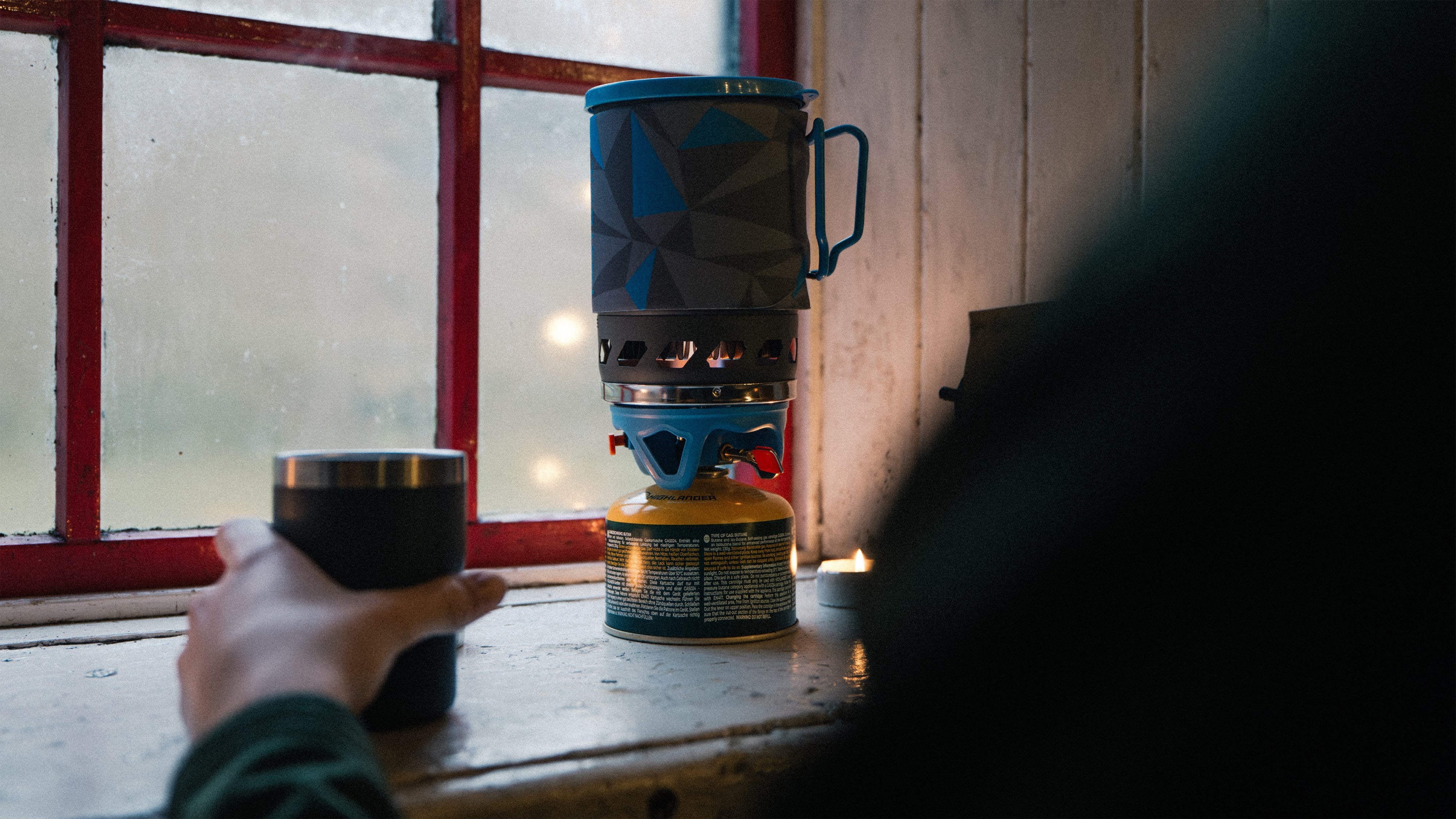
Compact camping stoves are useful additions to emergency equipment, especially when temporary outdoor cooking facilities are available.
Choose equipment that is straightforward to operate and ensure you know how to use it safely before an emergency occurs.
Cooking safety: Most camping stoves are intended for outdoor use only. Never operate outdoor stoves or charcoal barbecues indoors or in enclosed spaces, and never use them inside tents. Store fuel according to manufacturer instructions.
Highlander tip: Keep a reserve of food that requires no cooking at all. Your emergency plan should still work if conditions make outdoor cooking unsafe.
6. Survival Essentials: The Small Items That Make a Big Difference
Beyond food, water and shelter, a number of smaller items can prove invaluable during a domestic emergency.
A well-equipped emergency kit should include:
-
Lighting: LED torches, head torches, camping lanterns and spare batteries.
-
First aid: Dressings, bandages, antiseptic, gloves, basic first aid supplies and essential personal medication.
-
Tools: Multi-tool, manual tin opener, duct tape, utility cord and work gloves.
-
Hygiene: Wet wipes, hand sanitiser, toilet paper, rubbish bags and personal hygiene supplies.
-
Protection: Waterproof clothing, sturdy footwear and dry bags for keeping essential items protected.
-
Documentation: Copies of identification, insurance information, prescriptions, emergency contacts and a small amount of cash.
A reliable torch is particularly important during a prolonged power cut. Head torches allow you to keep both hands free while carrying equipment, preparing food or navigating safely in darkness.
A wind-up or battery-operated radio also provides a way to receive official updates when mobile networks or internet connections become unreliable.

7. Build a Family Emergency Grab Bag
While keeping emergency supplies at home is important, there may be situations where you need to leave quickly.
Flooding, fires, serious structural damage and certain security incidents can require immediate evacuation.
A dedicated emergency grab bag means your most important items are already packed and accessible.
Choose a durable, comfortable rucksack with enough space for essential equipment without making it too heavy to carry.
Suggested grab bag contents:
-
Torch or head torch
-
Waterproof jacket and warm clothing
-
Mobile phone charging equipment
-
Copies of important documents
-
Emergency contact information
-
Whistle and basic utility tools
Every family member's needs will be different. Consider children, older relatives, pets and anyone who depends on specialist medical equipment.
Keep your grab bag somewhere easy to reach and review its contents regularly.
In an immediate fire evacuation, leave without delaying to collect equipment. Always follow emergency services' instructions.
10. Start Preparing Today with Highlander Outdoor
Emergency preparedness doesn't need to be complicated or expensive.
Many households already own some of the essentials. The key is identifying what's missing, organising equipment and making sure everyone knows where to find it.
At Highlander Outdoor, we understand the importance of dependable equipment when conditions become challenging.
From shelter solutions and sleeping bags to waterproof clothing, rucksacks and practical outdoor survival accessories, our range is designed to help you prepare for the unexpected.
Whether you're building your first home emergency kit or improving your existing supplies, investing in reliable, practical equipment today can provide valuable reassurance for tomorrow.
Don't wait until an emergency happens to discover what you're missing.


